
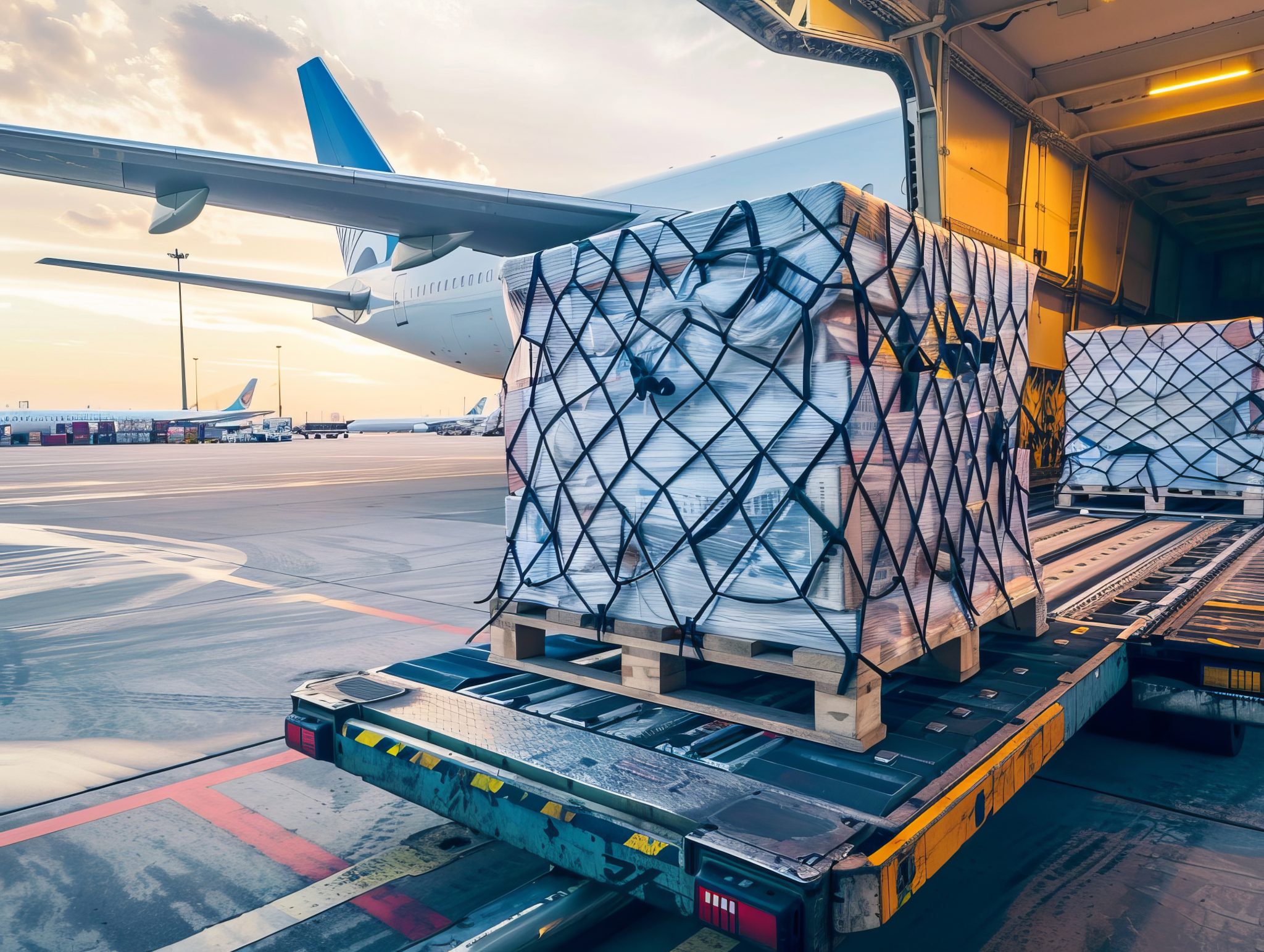
In today’s globalized economy, businesses are increasingly reliant on efficient logistics solutions to meet their operational demands and customer expectations. One of the most critical components of this logistics network is international air freight services. By leveraging these services, businesses can ensure timely delivery, maintain supply chain continuity, and expand their market reach. International air freight is not just about moving goods across borders; it’s about optimizing processes, reducing costs, and enhancing overall business efficiency.
The Benefits of International Air Freight Services
There are several compelling reasons why businesses should consider utilizing international air freight shipping as part of their logistics strategy:
- Speed and Efficiency: Air freight is the fastest mode of transportation for long-distance shipments, ensuring that products reach their destination quickly. This is especially valuable for perishable goods or high-demand items that require rapid delivery.
- Global Reach: Air freight services cover a vast network of international routes, allowing businesses to access new markets and customers worldwide. This is crucial for companies looking to expand their global footprint.
- Reliability: Airlines adhere to strict schedules, offering a high level of reliability and consistency in delivery times. This reliability helps businesses plan their inventory and operations more effectively.
- Security: Air freight provides a high level of security for goods, with stringent checks and controls at airports, reducing the risk of theft or damage.
Cost Considerations and Optimization
While air freight is generally more expensive than other modes of transport, there are strategies businesses can deploy to optimize costs:
Consolidation of Shipments
By consolidating shipments, businesses can reduce costs significantly. This involves grouping multiple shipments into a single air freight load, which can lead to lower per-unit shipping costs. It also minimizes the risk of delays, as consolidated shipments are often prioritized.
Utilizing Freight Forwarders
Freight forwarders can negotiate better rates with airlines due to their volume of business, passing these savings onto their clients. Engaging a freight forwarder can also simplify the logistics process by handling documentation, customs clearance, and other complexities involved in international shipments.
Environmental Considerations
With increasing awareness around sustainability, businesses are seeking to minimize their carbon footprint. Air freight, though efficient, is often criticized for its environmental impact. Companies can mitigate this by:
- Offsetting Carbon Emissions: Many airlines offer carbon offset programs that allow businesses to compensate for their environmental impact.
- Optimizing Load Capacity: Ensuring that flights are fully loaded maximizes the efficiency of each shipment, reducing the environmental cost per unit.
Future Trends in Air Freight
The air freight industry is constantly evolving, driven by technological advancements and changing consumer demands. Key trends to watch include:
- Integration of AI and Automation: These technologies are enhancing route optimization, tracking, and inventory management, leading to more efficient operations.
- Increased Use of Drones: Drones are being explored as a viable option for last-mile delivery, particularly in remote or challenging areas.
- Digital Transformation: The adoption of digital platforms is streamlining processes and improving communication across the supply chain.
As businesses navigate the complexities of the global market, international air freight services offer a strategic advantage. By understanding the benefits, costs, and future trends, companies can make informed decisions that streamline their operations and enhance their competitive edge. Leveraging the expertise of international air freight shipping providers can be a vital step in achieving these goals.