
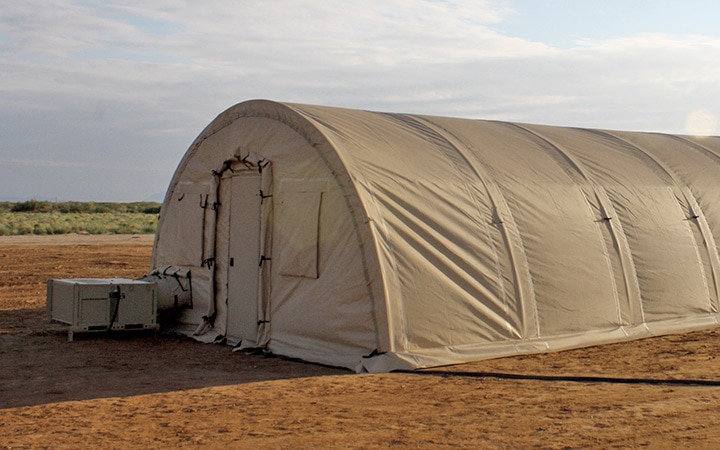
The breathtaking wilderness of Alaska offers unparalleled adventures. However, the harsh climate demands robust shelter solutions for anyone venturing into this vast wilderness. Tents designed for Alaskan conditions must endure extreme temperatures, heavy snowfall, and fierce winds, all while providing comfort and protection. This article will explore essential features to consider when selecting alaska tents to ensure a cozy experience in the wild.
Weather Resistance
One of the most critical features of any tent, particularly in Alaska, is its ability to withstand adverse weather conditions. Here are some must-have weather-resistant features:
- Waterproof Fabric: Tents should be made from high-quality waterproof materials to prevent moisture penetration during rain or snow.
- Windproof Design: Look for tents with aerodynamic shapes and sturdy frames that can resist powerful winds.
- Snow Load Capacity: The tent structure must support heavy snow accumulation without collapsing.
Insulation and Warmth
In the sub-zero temperatures of Alaska, maintaining warmth inside the tent is crucial. Consider the following features for optimal insulation:
- Thermal Lining: A tent with a thermal lining can help retain heat, providing additional warmth during cold nights.
- Double-Walled Construction: This design helps create an insulating air barrier between the inside and outside of the tent.
- Integrated Stove Jack: Some tents come with a stove jack, allowing the safe installation of a wood-burning stove for heating.
Durability and Longevity
Given the rugged Alaskan terrain, durability is a key consideration for any camping gear. High-quality alaska tents should feature:
- Reinforced Seams: Tents with reinforced seams offer greater durability, preventing tearing and ensuring longevity.
- Heavy-Duty Zippers: Zippers should be robust and resistant to freezing, wear, and tear.
- UV Resistant Fabric: Prolonged exposure to sunlight can degrade tent fabric. UV-resistant materials extend the life of the tent.
Ease of Setup and Portability
Ease of setup is essential, especially in harsh conditions where time and energy are limited. Prioritize tents that offer:
- Quick Setup Mechanism: Features like color-coded poles and clip systems can significantly reduce setup time.
- Lightweight Construction: Opt for tents with lightweight materials that do not compromise durability, making transportation easier.
- Compact Design: A tent that packs down small is easier to carry, especially for backpacking and remote expeditions.
Additional Features for Comfort
While functionality is paramount, comfort should not be overlooked. Consider the following for a cozy experience:
- Multiple Ventilation Options: Proper ventilation prevents condensation build-up and maintains air quality inside the tent.
- Spacious Interior: A tent should offer enough room for sleeping, storage, and movement, particularly for longer stays.
- Ample Storage Pockets: Internal pockets and organizers can help keep gear and personal items accessible and organized.
Choosing the right tent for Alaskan adventures is a significant decision that requires attention to detail and a focus on specific features that cater to extreme weather conditions. By prioritizing weather resistance, insulation, durability, ease of setup, and comfort, campers can ensure a safe and enjoyable experience in the wild. Explore various options of alaska tents that suit diverse needs and preferences, ensuring that each journey into the Alaskan wilderness is both memorable and comfortable.