
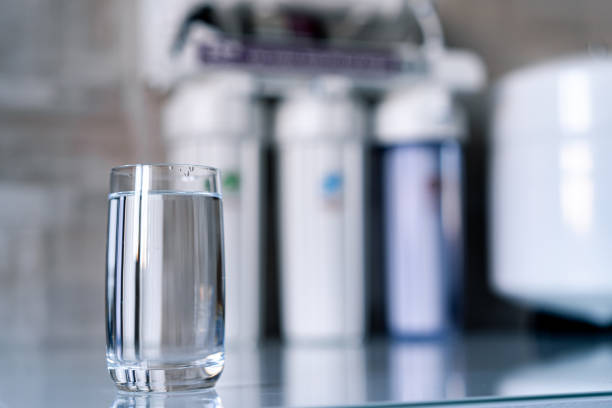
Reverse osmosis (RO) filter systems have become an essential component in both residential and commercial water purification processes. As concerns about water quality continue to rise, more individuals and businesses are turning towards sophisticated filtration systems to ensure the safety and taste of their water. Reverse osmosis technology stands out due to its efficiency in removing contaminants and improving water quality. This article delves into the intricacies of reverse osmosis systems, helping readers understand their functionality and the benefits they offer.
Understanding Reverse Osmosis Technology
At its core, reverse osmosis is a water purification process that relies on a semi-permeable membrane to remove ions, molecules, and larger particles from drinking water. This process effectively filters out impurities such as:
- Lead
- Mercury
- Chlorine
- Sediments
- Fluoride
Reverse osmosis operates by applying pressure to overcome natural osmotic pressure, pushing water through the membrane while leaving contaminants behind. The result is water that is clean, safe, and free of undesirable tastes and odors. For a deeper understanding of how these systems are tailored to specific needs, one can discover expert strategies here.
The Benefits of Using Reverse Osmosis Systems
Reverse osmosis systems offer numerous advantages, making them a preferred choice for many households and businesses:
- High-Quality Water: Provides water that is significantly purer than that achieved by standard filtration methods.
- Cost-Effective: Reduces the need for bottled water, leading to significant savings over time.
- Minimal Environmental Impact: Decreases plastic waste associated with bottled water consumption.
- Improved Taste: Results in water that is free from unpleasant tastes caused by chlorine and other chemicals.
To fully appreciate these benefits, it is beneficial to learn about our tailored solutions that address specific water quality issues.
Components of a Reverse Osmosis System
A typical reverse osmosis system comprises several key components, each playing a critical role in the filtration process:
Pre-Filters
Pre-filters are used to remove larger particles such as sediment and chlorine, which can damage the RO membrane. By protecting the membrane, pre-filters help extend the life of the system and ensure optimal performance.
RO Membrane
The core of the reverse osmosis system, the RO membrane, is where the primary filtration occurs. This component is responsible for filtering out the smallest contaminants that other systems might miss.
Post-Filters
Post-filters are used to polish the water, removing any remaining tastes and odors to ensure the highest quality drinking water.
Understanding these components and their roles can help users explore advanced guides and tips to maintain their systems effectively.
Maintenance and Troubleshooting
To ensure the longevity and efficiency of a reverse osmosis system, regular maintenance is crucial. Here are some maintenance tips:
- Regularly replace filters and membranes as per the manufacturer’s guidelines.
- Periodically sanitize the system to prevent bacterial growth.
- Monitor water pressure to ensure it remains within optimal levels.
For those experiencing issues, troubleshooting guides and professional assistance are available. Find out more about this approach to address common problems and system upgrades.
Conclusion
Reverse osmosis systems are a reliable and efficient solution for achieving high-quality, purified water. By understanding their operation, benefits, and maintenance requirements, users can make informed decisions about their water purification needs. As water quality continues to be a priority for many, reverse osmosis offers a proven method to ensure safe and tasty drinking water. To further explore the potential of these systems, consider accessing additional resources and expert insights from established professionals in the field.