
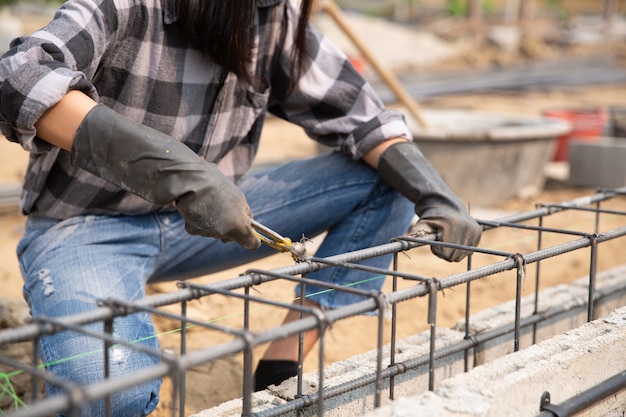
Concrete is a material renowned for its durability and strength, yet it is not impervious to damage. Over time, exposure to moisture can lead to cracks and deterioration. Waterproofing is essential to maintain the integrity and longevity of concrete structures. Whether managing a commercial project or attending to home improvements, understanding the nuances of waterproof concrete repair is invaluable. This article delves into expert tips and strategies to ensure effective and lasting results.
Understanding the Importance of Waterproofing
Waterproofing concrete is crucial for preventing water ingress, which can cause structural damage and compromise safety. It is essential to address the following:
- Moisture Control: Prevents the seepage of water that can cause cracks and weak points.
- Durability Enhancement: Prolongs the lifespan of concrete structures by protecting them from weather-related wear and tear.
- Mold and Mildew Prevention: Stops the growth of harmful fungi that can damage the surface and affect indoor air quality.
For more details on why waterproofing matters, explore advanced guides and tips.
Step-by-Step Guide for Waterproof Concrete Repair
1. Assess the Damage
Begin by thoroughly inspecting the concrete surface to identify areas affected by water damage. Look for:
- Visible cracks and fissures
- Discoloration or stains
- Signs of mold or mildew
If unsure about the extent of damage, consider consulting a professional service. Discover expert strategies here for a comprehensive assessment approach.
2. Prepare the Surface
Proper surface preparation is critical for a successful repair. Ensure the surface is clean, dry, and free from debris. Steps include:
- Cleaning the surface with a power washer to remove dirt and grime
- Filling in minor cracks with a suitable repair compound
- Smoothing out uneven areas for an even application of waterproofing products
For product recommendations and techniques, learn about our tailored solutions.
3. Select the Right Waterproofing Product
Choosing the appropriate waterproofing material is crucial. Options include:
- Liquid Membranes: Easy to apply and provide a seamless barrier.
- Cementitious Waterproofing: Ideal for internal applications and areas with water pressure resistance.
- Bentonite Clay: Expands upon contact with moisture, creating an impermeable barrier.
Each product has distinct advantages and is suited for specific applications. Find out more about this approach to select the best product for your needs.
4. Application Process
Follow the manufacturer’s instructions carefully to ensure effective application. General tips include:
- Applying in optimal weather conditions to avoid issues like bubbling or improper adhesion
- Ensuring even coverage and adequate thickness for maximum protection
- Allowing sufficient curing time before exposing the surface to water
For detailed application guidance, explore advanced guides and tips.
Customer Feedback and Reviews
Understanding customer experiences can provide valuable insights into the effectiveness of waterproofing solutions. Check out customer reviews here to see what others are saying about us.
In conclusion, waterproofing is an essential step in preserving the structural integrity of concrete surfaces. By following expert guidance on preparation, product selection, and application, one can ensure a durable and effective waterproofing solution. For more comprehensive strategies and professional advice, discover expert strategies here.