
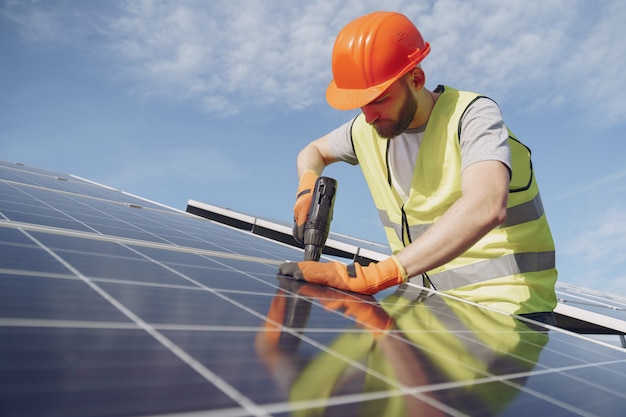
In today’s rapidly evolving energy landscape, businesses are increasingly turning to solar power as a viable and sustainable solution. Commercial solar panels not only offer a way to reduce energy costs but also enhance a company”?s environmental credentials. However, selecting the right solar panel system for a business can be a complex decision, influenced by factors such as efficiency, cost, and installation requirements. Understanding these factors is crucial to maximizing the benefits of solar energy for your business operations.
Understanding Commercial Solar Panels
Before choosing a solar panel system, it’s essential to understand the types of commercial solar panels available. These systems differ in terms of technology, efficiency, and application suitability.
Types of Commercial Solar Panels
- Monocrystalline Panels: Known for high efficiency and durability, they are ideal for businesses with limited roof space.
- Polycrystalline Panels: Typically more cost-effective, these panels offer a lower efficiency than monocrystalline but can be suitable for larger installations.
- Thin-Film Panels: Lightweight and flexible, they can be installed on unconventional surfaces but generally offer lower efficiency.
To explore more about the diverse types of panels and their applications, discover expert strategies here.
Key Considerations for Businesses
When choosing commercial solar panels, several factors should be taken into account to ensure optimal investment returns.
Efficiency and Performance
- Panel efficiency determines how much sunlight is converted into usable energy. Higher efficiency panels can produce more power in limited space.
- Consider performance metrics such as temperature coefficient, which affects output under high temperatures.
For a deeper dive into performance considerations, explore advanced guides and tips on selecting high-performance solar solutions.
Cost and Financial Incentives
- Initial installation cost should be weighed against potential savings on energy bills over the panel”?s lifespan.
- Look for available tax incentives, grants, and rebates offered by government bodies to reduce upfront costs.
To learn about financial strategies and incentives, find out more about this approach to managing solar investments effectively.
Installation and Maintenance
Proper installation and maintenance are critical to ensure that commercial solar panels operate at their peak efficiency throughout their lifespan.
Professional Installation
- Choose experienced and certified installers to ensure that the system is set up according to industry standards.
- Consider future scalability of the system to accommodate business growth.
For insights on selecting the right installation partners, learn about our tailored solutions that align with specific business needs and goals.
Regular Maintenance
- Routine inspections and cleaning can prevent efficiency losses and extend the panel”?s operational lifespan.
- Monitor energy output regularly to detect and address any performance issues promptly.
To ensure optimal maintenance practices, discover expert strategies here for maintaining solar panel efficiency.
Conclusion
Investing in commercial solar panels can be a transformative step for businesses aiming to reduce operational costs and enhance sustainability. By understanding the various panel types, assessing key considerations, and ensuring proper installation and maintenance, businesses can significantly benefit from solar energy. For more comprehensive insights and advice, explore advanced guides and tips tailored to commercial solar solutions.