
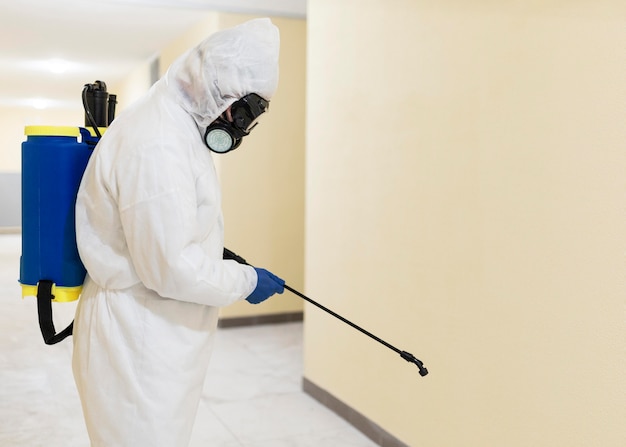
Mold growth is a common issue faced by residents in Clayton, a problem that can lead to significant health risks and property damage if not addressed promptly. The presence of mold can trigger respiratory problems, allergies, and other health complications, making it imperative for residents to find efficient and reliable solutions for mold removal. Understanding the critical steps and processes involved in mold remediation can help residents take proactive measures to protect their homes and health.
Understanding Mold and Its Implications
Mold is a type of fungus that thrives in damp, humid environments. It can grow on a variety of surfaces within homes, including walls, ceilings, and floors. Mold spores are microscopic and can easily become airborne, which makes them easy to inhale.
Health Risks Associated with Mold
- Respiratory issues: Mold spores can cause or exacerbate asthma and other respiratory conditions.
- Allergic reactions: Symptoms such as sneezing, skin rashes, and itchy eyes can occur in sensitive individuals.
- Serious complications: Prolonged exposure to mold can lead to more severe health issues, especially for those with compromised immune systems.
Given these risks, it’s crucial to address mold problems as soon as they are identified. Residents can learn about our tailored solutions to manage mold effectively.
Steps for Efficient Mold Removal
Efficient mold removal involves a series of steps that ensure the complete eradication of mold and prevent future occurrences.
1. Inspection and Assessment
The first step in mold remediation is a thorough inspection of the property. This involves identifying areas of moisture and mold growth. Discover expert strategies here for conducting a comprehensive mold inspection.
2. Containment
Once mold is identified, it’s crucial to contain the affected areas to prevent spores from spreading. This may involve sealing off the area with plastic sheeting and using negative air pressure to ensure spores do not escape.
3. Mold Removal
The next step is the physical removal of mold. This can involve cleaning, sanitizing, and sometimes removing affected materials such as drywall or carpeting. Explore advanced guides and tips for effective mold removal techniques.
4. Cleaning and Air Filtration
After removal, the area should be thoroughly cleaned and disinfected. Air filtration systems can be used to capture any remaining mold spores.
5. Restoration and Prevention
- Repair any water damage that may have contributed to mold growth.
- Improve ventilation and reduce humidity levels to prevent future mold issues.
- Regular inspections and maintenance can help in early detection and prevention.
Residents can find out more about this approach to ensure their homes remain mold-free.
Choosing the Right Mold Removal Service
When selecting a mold remediation service, it’s important to consider the following factors:
- Experience and expertise in dealing with different types of mold.
- Use of advanced technology and techniques for mold removal.
- Ability to provide thorough inspections and preventive advice.
- Customer testimonials and reviews to gauge service quality.
Residents are encouraged to learn about our tailored solutions to find a service that meets their specific needs.
Efficient mold removal is essential for maintaining a safe and healthy environment in homes. By understanding the processes involved and choosing the right service, residents in Clayton can effectively address mold issues and enjoy peace of mind.