
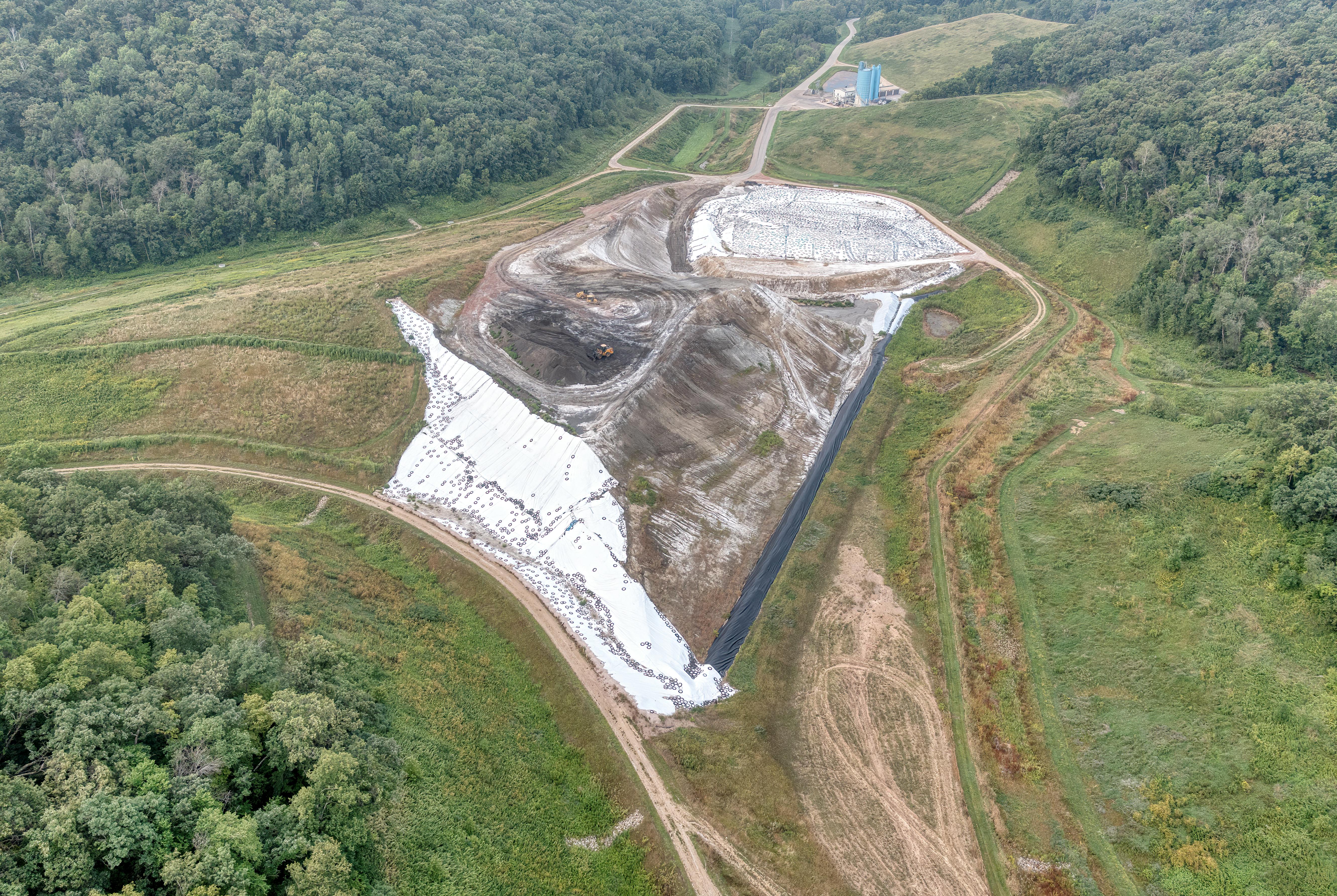
Investing in real estate or industrial development involves more than just financial calculations; it requires a thorough understanding of the land’s environmental condition. A Phase One Environmental Review, often referred to as a Phase One Environmental Assessment, serves as the first line of defense against hidden liabilities that could jeopardize a project’s success. By systematically evaluating historical and current site conditions, these reviews help investors identify potential contamination, regulatory constraints, and other risks before they become costly surprises. The result is a clearer picture of the property’s true value, enabling smarter decision-making and protecting long-term returns.
What Is a Phase One Environmental Review?
A Phase One Environmental Review is a comprehensive, desktop-based assessment that examines a property’s past and present uses, surrounding land activities, and regulatory history. The goal is to determine whether there is a reasonable likelihood of environmental contamination that would warrant further investigation.
Key Components of the Assessment
- Historical Research: Review of deeds, aerial photographs, and land use records.
- Site Inspection: On-site walk-through to identify visible signs of contamination.
- Regulatory Review: Examination of local, state, and federal environmental databases.
- Interview Process: Conversations with former owners, tenants, and local officials.
Why a Phase One Review Is Critical for Investors
Without a proper environmental baseline, investors risk inheriting liabilities that can lead to costly remediation, legal disputes, and project delays. A well-executed review offers several protective benefits:
- Risk Identification: Early detection of potential soil, groundwater, or building contamination.
- Financial Assurance: Ability to negotiate purchase price adjustments or remediation clauses.
- Regulatory Compliance: Confirmation that the property meets current environmental statutes.
- Stakeholder Confidence: Demonstrates due diligence to lenders, partners, and insurers.
How the Review Protects Your Investment
Investors who incorporate a Phase One assessment into their acquisition process gain a strategic advantage. The review serves as a documented, third-party verification of site conditions, which can be leveraged in multiple ways.
Negotiation Leverage
When a review uncovers potential issues, buyers can request price reductions, escrow holdbacks, or require the seller to complete remediation before closing. This ensures that the purchase price accurately reflects the true condition of the property.
Financing and Insurance Benefits
Lenders and insurers often require proof that environmental risks have been evaluated. A completed phase 1 environmental report satisfies many underwriting criteria, facilitating smoother loan approvals and more favorable insurance terms.
Regulatory Safeguards
By documenting compliance with environmental regulations, investors reduce the likelihood of future enforcement actions. The review also identifies any required permits or remediation plans that must be addressed before development can proceed.
Integrating Phase One Reviews Into the Due Diligence Process
To maximize protection, the environmental assessment should be timed appropriately within the broader due diligence timeline. Below is a recommended workflow:
- Initial Offer: Include a clause that makes the transaction contingent on a satisfactory Phase One review.
- Engage Qualified Professionals: Select a certified environmental consultant with experience in the specific property type and region.
- Conduct the Review: Complete the assessment, incorporating site visits and stakeholder interviews.
- Analyze Findings: Review the report for any Recognized Environmental Conditions (RECs).
- Decision Point: Decide whether to proceed, renegotiate, or withdraw based on the identified risks.
Common Misconceptions About Phase One Assessments
Understanding what a Phase One review does, and does not, do is essential for realistic expectations.
- It Is Not a Full Remediation Study: The assessment identifies potential issues but does not perform detailed testing or cleanup.
- It Does Not Guarantee a Clean Site: While it reduces uncertainty, some risks may only become apparent during later phases of investigation.
- It Is Not a One-Size-Fits-All Solution: Complex sites may require additional Phase II or Phase III studies.
Choosing the Right Provider for Your Phase One Review
Quality matters. Selecting a provider with proven expertise ensures that the assessment is thorough, defensible, and aligned with industry standards such as ASTM E1527-21. Look for the following qualifications:
- Certified Environmental Professional (CEP) credentials.
- Demonstrated experience in the relevant property type (industrial, commercial, residential).
- Access to comprehensive historical databases and local regulatory knowledge.
- Clear, concise reporting that highlights actionable findings.
When evaluating potential partners, consider reviewing case studies that illustrate how a phase one environmental assessment helped clients avoid costly surprises.
Conclusion
In the high-stakes world of real estate investment, knowledge is power. A Phase One Environmental Review provides that knowledge by uncovering hidden environmental liabilities before they become financial burdens. By integrating this assessment into the due diligence process, investors can negotiate better terms, secure financing, satisfy regulatory requirements, and ultimately protect the value of their investment. The proactive approach of conducting a thorough, professionally executed review is a prudent step that safeguards both the bottom line and the long-term viability of any development project.