
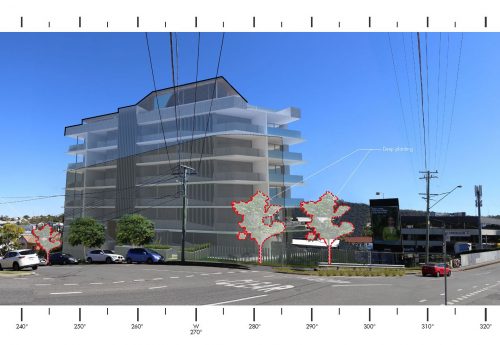
The realm of landscape planning and design is experiencing a transformative wave of innovation, driven by advances in technology and a growing emphasis on sustainability. As urban areas expand and environmental concerns mount, the need for thoughtful, innovative landscape solutions has become more pressing than ever. Modern landscape design is no longer just about aesthetics; it”?s about creating functional, sustainable, and resilient spaces that enhance urban and rural environments alike. This article delves into the latest innovations in landscape planning and design, exploring how new tools and approaches are reshaping the field.
Technological Advancements in Landscape Design
Technology has become an integral component of landscape planning and design, offering new possibilities for creativity and efficiency. Some of the key technological innovations include:
- 3D Modeling and Simulation: Advanced software allows designers to create realistic 3D models of landscapes. This technology enables stakeholders to visualize projects before they are realized, facilitating better decision-making.
- Geographic Information Systems (GIS): GIS technology helps in analyzing spatial data, enabling designers to understand and incorporate the geographical context into their plans effectively. Explore further insights here.
- Drones: Drones provide aerial views and real-time data collection, offering a bird’s-eye perspective that is invaluable for large-scale planning and monitoring.
Sustainable Practices in Landscape Planning
Sustainability is at the forefront of modern landscape design. The integration of sustainable practices aims to reduce environmental impact while enhancing the natural beauty and functionality of spaces. Key sustainable practices include:
- Water Conservation: Implementing efficient irrigation systems and selecting drought-resistant plants are essential strategies for sustainable water use. Read more about this topic.
- Use of Native Plants: Utilizing native plant species reduces the need for fertilizers and pesticides, supporting local wildlife and promoting biodiversity.
- Green Infrastructure: Incorporating elements like green roofs, rain gardens, and permeable pavements can mitigate urban heat and manage stormwater effectively. Find additional information here.
Community Engagement and Public Spaces
Creating landscapes that serve communities effectively requires engaging with the public to understand their needs and desires. Innovations in community involvement include:
- Participatory Design Processes: Engaging communities in the design process ensures that public spaces meet the needs of those who use them.
- Interactive Models and Feedback: Utilizing digital platforms to gather feedback can enhance community engagement and ensure inclusive design approaches. Learn more in this detailed guide.
Conclusion
Innovations in landscape planning and design are transforming how spaces are conceptualized, constructed, and utilized. By embracing technological advancements, sustainable practices, and community engagement, landscape architects are paving the way for a future where natural and built environments coexist harmoniously. As the field continues to evolve, staying informed about the latest trends and practices is essential for anyone involved in landscape design. For those interested in exploring more about these innovations, explore further insights here.