
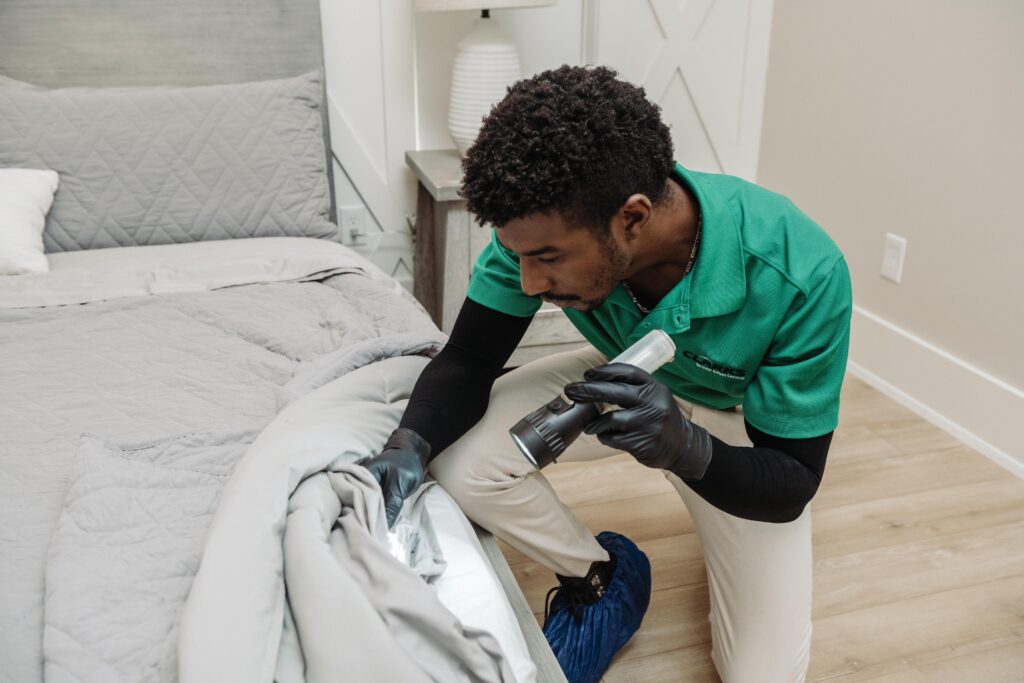
Bed bugs are notorious for being one of the most challenging pests to eradicate. These tiny, nocturnal creatures can cause a great deal of discomfort and distress. If professional pest control services are not an immediate option, a do-it-yourself approach can be an effective alternative. This guide aims to provide comprehensive instructions on how to handle a bed bug infestation on your own, using accessible tools and techniques. With careful planning and execution, it is possible to regain control over your living space and rest easy once again.
Understanding Bed Bugs
Before diving into treatment methods, it’s crucial to understand what bed bugs are and how they thrive. Bed bugs are small, oval, brownish insects that live on the blood of animals or humans. They are most active at night and can hide in the smallest crevices of your home.
- Bed bugs are approximately the size of an apple seed.
- They are attracted to warmth and carbon dioxide.
- Common hiding spots include mattress seams, box springs, bed frames, and headboards.
Identifying an Infestation
Identifying a bed bug infestation early is key to successful treatment. Look out for the following signs:
- Small, red, itchy bites on the skin.
- Rusty or reddish stains on bed sheets or mattresses caused by crushed bugs.
- Dark spots (bed bug excrement) on sheets, mattresses, and walls.
- Egg shells or shed skins in areas where bed bugs hide.
DIY Bed Bug Treatment Methods
Preparation and Inspection
Begin by thoroughly inspecting your home to determine the extent of the infestation. This process involves:
- Careful examination of all bedding, furniture, and nearby areas.
- Removing clutter to eliminate hiding places.
- Sealing infested items in plastic bags for treatment or disposal.
Cleaning and Vacuuming
Effective cleaning is essential in controlling bed bugs:
- Wash and dry bedding, linens, curtains, and clothing on high heat.
- Vacuum frequently to remove bed bugs and their eggs.
- Use a brush attachment to scrub mattress seams to dislodge eggs.
- Empty the vacuum cleaner immediately after use into a sealed plastic bag.
Heat Treatment
Heat treatment is a safe and effective way to kill bed bugs:
- Steam cleaning can penetrate deep into fabrics and cracks.
- Place infested items in a hot dryer for at least 30 minutes.
- Consider renting professional-grade heaters if available.
Use of Insecticides
When using insecticides, ensure you choose products specifically labeled for bed bugs and carefully follow all instructions:
- Apply sprays to cracks and crevices where bed bugs hide.
- Diatomaceous earth can be used as a natural alternative.
- Consider bed bug treatment options that are safe for indoor use.
Preventing Future Infestations
Once the infestation is under control, it’s important to prevent future occurrences. Consider the following preventative measures:
- Regularly inspect second-hand furniture before bringing it into your home.
- Use protective covers on mattresses and box springs.
- Reduce clutter to minimize hiding spots.
- Be vigilant when traveling, checking hotel rooms for signs of bed bugs.
When to Call Professionals
If the infestation persists despite DIY efforts, it may be time to seek professional help. Persistent infestations can be effectively managed with professional intervention, ensuring a comprehensive and long-lasting solution.
Dealing with a bed bug infestation can be a daunting task, but with the right approach, it is manageable. This guide provides a structured plan to tackle the problem head-on, ensuring a safe and comfortable environment for you and your family.