
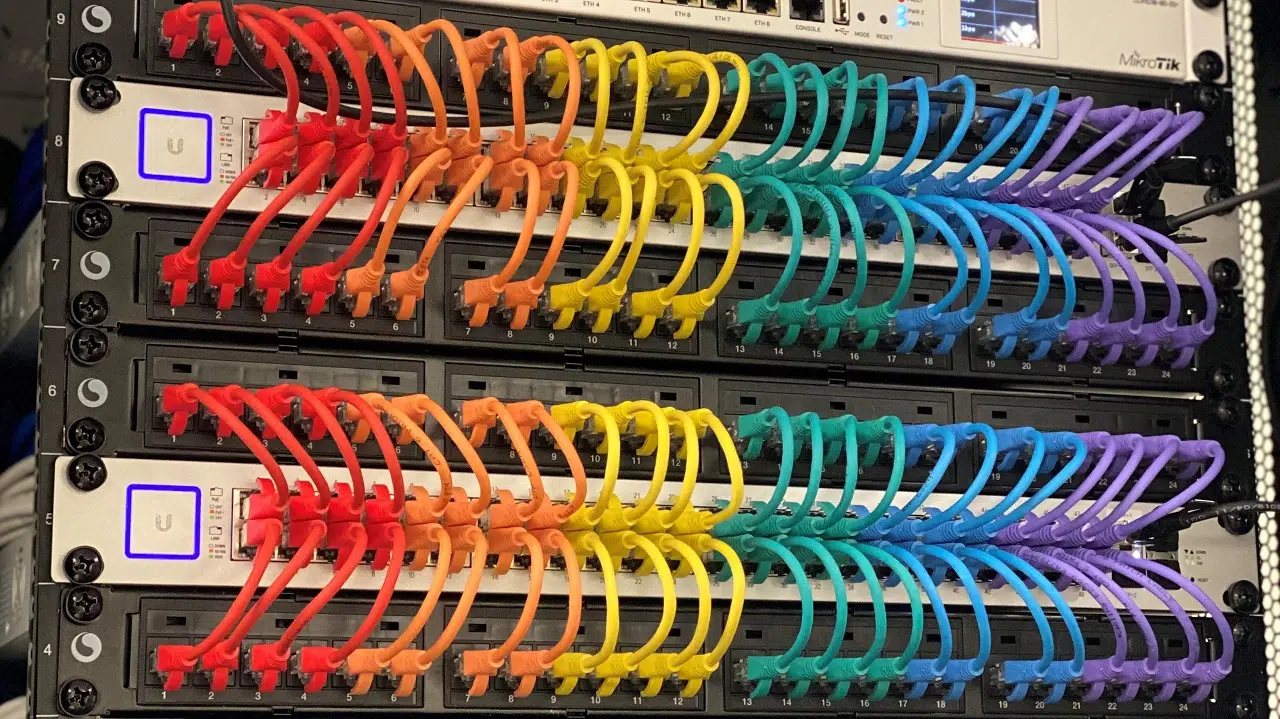
In today’s digital landscape, robust network connectivity is paramount for businesses and individuals alike. As organizations expand and technology evolves, the demand for efficient network cabling installation becomes increasingly vital. Proper network cabling not only ensures seamless data transmission but also enhances overall productivity and reliability. This article delves into the critical steps for achieving optimal network cabling installation, offering insights into best practices and innovative solutions.
Understanding Network Requirements
Before embarking on a network cabling project, it’s essential to understand the specific requirements and objectives. This involves:
- Analyzing the size and layout of the premises to determine the most effective cabling strategy.
- Identifying the types of devices and systems that will be connected to ensure compatibility and performance.
- Planning for future scalability to accommodate potential expansion or technological upgrades.
For more detailed guidance, discover expert strategies here.
Choosing the Right Cabling
Selection of the appropriate cabling type is crucial for the success of the network installation. Considerations include:
- Category of Cable: Decide between Cat5e, Cat6, Cat6a, or fiber optic cables based on speed requirements and budget constraints.
- Cable Length and Structure: Evaluate the distance limitations and structural characteristics of each cable type.
- Environment: Assess environmental factors such as temperature and interference to select cables with suitable shielding and insulation.
Learn about our tailored solutions by visiting this page.
Installation Best Practices
Proper Planning and Design
A detailed design and planning phase is imperative to avoid future issues:
- Map out the network topology and cable routes to prevent congestion and ensure efficient data flow.
- Implement labeling and documentation protocols for easy identification and maintenance.
Find out more about this approach here.
Testing and Verification
Once installation is complete, thorough testing is necessary to confirm the network’s integrity:
- Conduct cable certification tests to verify compliance with industry standards.
- Perform connectivity tests to ensure all devices are correctly integrated and operational.
Explore advanced guides and tips by visiting this resource.
Ensuring Future-Proof Solutions
To maintain relevance and performance, future-proofing the network is essential:
- Incorporate modular designs that allow for easy upgrades and expansions.
- Stay informed about emerging technologies and standards to adapt proactively.
For further insights, learn more here.
Conclusion
Achieving a successful network cabling installation requires meticulous planning, the right choice of materials, adherence to best practices, and ongoing evaluation. By focusing on these key steps, businesses can enhance their connectivity and ensure that their networks remain efficient, reliable, and capable of supporting future demands. For a comprehensive approach to network cabling, explore advanced solutions here.