
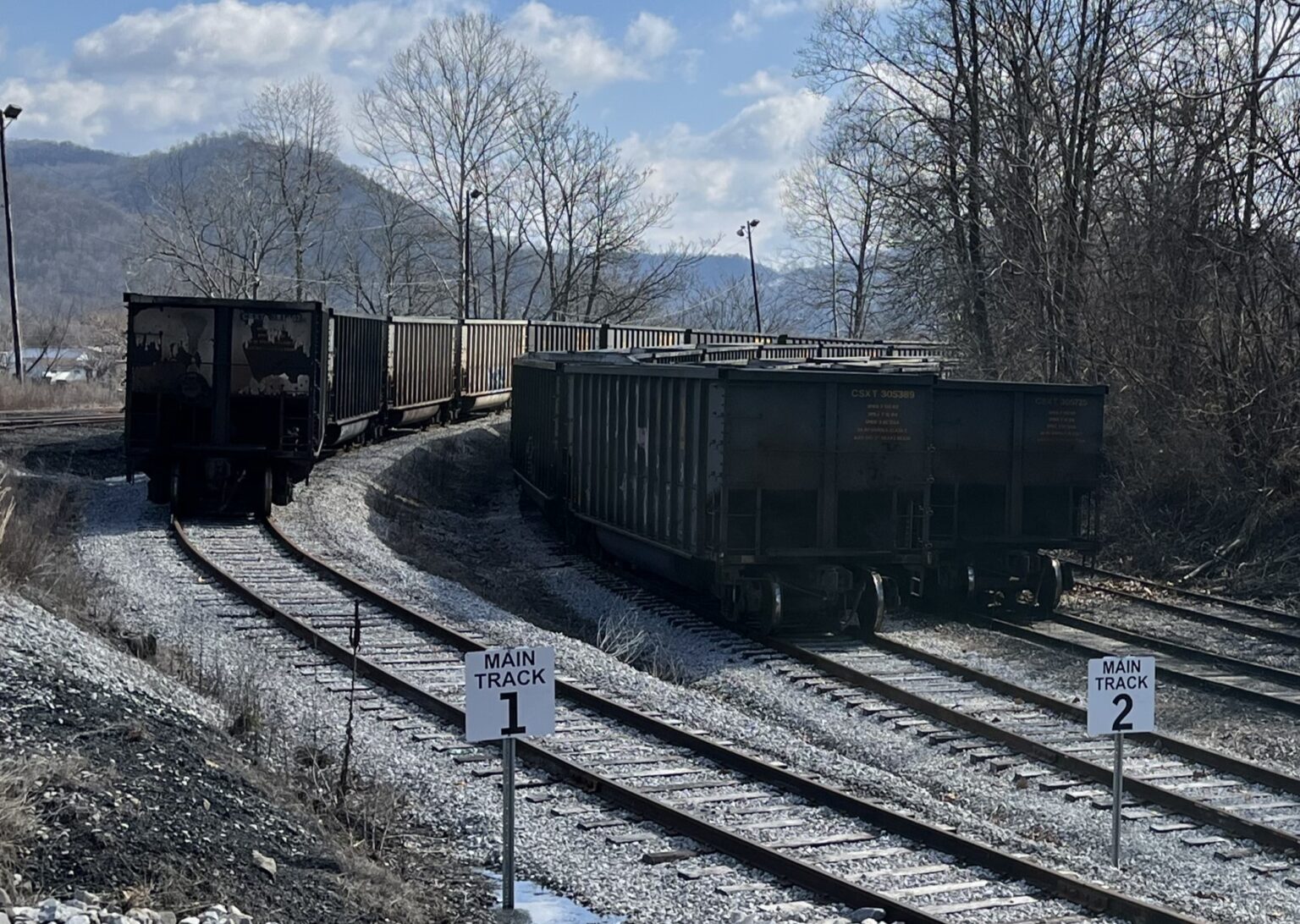
In an increasingly interconnected world, the demand for efficient and reliable transportation has never been more critical. Rail freight services have become an integral part of global supply chains, providing a cost-effective and environmentally friendly solution for businesses looking to transport goods over long distances. This article explores the benefits and mechanisms of rail freight services, highlighting their role in enhancing operational efficiency.
Understanding Rail Freight Services
Rail freight services involve the transportation of goods via railway networks. These services are often preferred for their ability to handle large volumes of cargo over extensive distances. Rail freight is particularly advantageous for industries that require the movement of bulky or heavy items, such as raw materials and industrial products.
Advantages of Rail Freight
- Cost Efficiency: Rail transportation is often more cost-effective than other modes of transport, particularly over long distances. The ability to carry large volumes of goods reduces the per-unit cost.
- Environmental Benefits: Trains have a lower carbon footprint compared to road transport, making rail freight a more sustainable choice.
- Reliability and Safety: Rail networks are less affected by weather conditions and traffic congestion, offering more predictable transit times and enhanced safety for cargo.
- Capacity for Bulk Transport: Rail freight can handle a high capacity of goods, including hazardous materials, with specialized wagons designed for different types of cargo.
Challenges in Rail Freight Services
Despite its advantages, rail freight services face several challenges that can impact efficiency. Infrastructure limitations, varying railway gauges, and coordination between different countries’ rail systems can pose significant hurdles. Additionally, the initial setup and maintenance costs for rail infrastructure are substantial, which can deter investments in new rail links.
Technological Innovations in Rail Freight
Modern technology plays a crucial role in overcoming some of the challenges faced by rail freight services. Innovations such as real-time tracking systems and automated scheduling are enhancing the efficiency and reliability of rail transportation. These technologies enable better management of logistics and cargo flow, ensuring that goods reach their destinations on time.
For a deeper understanding of how technology is transforming rail freight services, explore further insights here.
The Future of Rail Freight Services
As global trade continues to expand, the demand for efficient and sustainable freight services will grow. Rail freight is poised to play a significant role in meeting this demand. Future developments may include the expansion of rail networks, advancements in train technology, and greater integration with other modes of transport.
For more detailed projections and insights into the future of rail freight, read more about this topic.
Conclusion
Rail freight services offer a multitude of benefits that make them an invaluable component of modern logistics. From cost savings to environmental sustainability, rail transport provides a reliable and efficient solution for the movement of goods across long distances. As technological advancements continue to enhance rail capabilities, the future of rail freight looks promising. To remain competitive in the global market, businesses must consider integrating rail freight into their logistics strategies.
To learn more about optimizing rail freight logistics, find additional information here.