
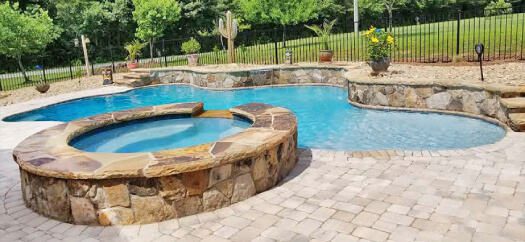
Designing a custom pool for your home is an exciting yet intricate process that combines aesthetics, functionality, and personal style. The journey from concept to completion involves a series of decisions that will determine not only the look of your pool but also its usability and maintenance requirements. This guide aims to provide a comprehensive overview of the key considerations and steps involved in custom pool design, helping you to create the perfect backyard oasis that aligns with your vision and lifestyle.
Understanding Your Needs and Preferences
The first step in custom pool design is to clearly define your needs and preferences. This involves considering how you plan to use the pool and what features are most important to you. Here are some points to consider:
- Purpose: Will the pool be used for recreation, exercise, relaxation, or entertaining guests?
- Design Style: What aesthetic are you aiming for? Consider whether you prefer a modern, traditional, or natural look.
- Features: Are there specific features you desire, such as a spa, waterfall, or swim-up bar?
- Budget: Establish a realistic budget that encompasses not only construction costs but also long-term maintenance.
For a deeper dive into the initial planning stages, read more about this topic.
Site Evaluation and Design Planning
Once your needs are established, the next step is evaluating the site and planning the design. This stage involves:
- Surveying the Area: Analyzing the topography, soil conditions, and drainage systems of your property.
- Zoning and Permits: Understanding local regulations and obtaining necessary permits.
- Layout Design: Creating a layout that complements the existing landscape and structures.
Learn more in this detailed guide on site evaluation and design planning.
Choosing Materials and Finishes
The materials and finishes you select will significantly impact the durability and appearance of your pool. Key considerations include:
- Pool Surface: Options include plaster, aggregate, or tile, each offering different textures and longevity.
- Decking: Choose materials that are slip-resistant and durable, such as concrete, stone, or wood.
- Coping: The edge material should complement both the pool and surrounding area.
Explore further insights here on selecting the right materials for your pool.
Incorporating Technology and Eco-Friendly Options
Modern pools can benefit from advanced technologies and sustainable solutions that enhance functionality and reduce environmental impact. Consider the following:
- Automation Systems: Control lighting, cleaning, and heating through smart technology.
- Energy-Efficient Equipment: Utilize energy-efficient pumps, heaters, and lighting to reduce energy consumption.
- Eco-Friendly Features: Consider solar heating, natural filtration systems, and eco-friendly water treatments.
Find additional information here about integrating technology and sustainability into your pool design.
Finalizing the Design and Construction
With all elements considered and planned, the final step is to finalize the design and begin construction. Key aspects include:
- Design Approval: Review and approve the final design and construction plans.
- Construction Timeline: Establish a timeline for the construction phases, including excavation, plumbing, and finishing.
- Quality Assurance: Ensure compliance with design specifications and quality standards throughout the process.
Learn more about the construction process by visiting this resource.
Conclusion
Designing a custom pool is a rewarding endeavor that can significantly enhance the enjoyment and value of your property. By carefully considering your needs, site conditions, materials, and technology options, you can create a pool that perfectly suits your lifestyle and preferences. Whether you’re looking for a family-friendly space or a luxurious retreat, the possibilities are endless. Begin your journey with the right information and expert guidance, ensuring that your custom pool becomes a stunning centerpiece within your outdoor living space.